© 2024 Pestblitz. All Rights Reserved

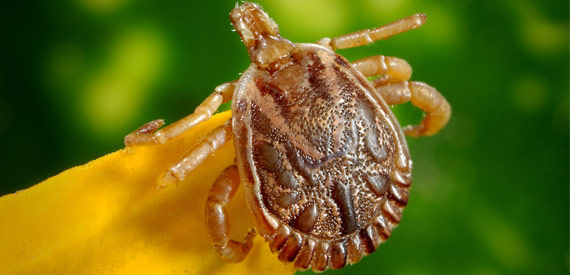
Integrated Pest Management (IPM) strategies for controlling ticks typically involve a combination of methods to reduce tick populations and minimize their impact. Here are some key components of IPM for tick control:
1. Habitat Modification: Altering the environment to make it less hospitable to ticks. This can include:
– Vegetation Management: Keeping lawns and grass trimmed short reduces tick habitat.
– Mulching: Using wood chips or gravel as a barrier between wooded areas and lawns.
– Debris Removal: Clearing leaf litter, brush piles, and other organic debris where ticks may harbor.
2. Chemical Control: Application of pesticides or acaricides can be part of an IPM strategy, but it should be used judiciously and in combination with other methods to minimize environmental impact. Selective application to high-risk areas rather than widespread spraying is preferred.
3. Biological Control: Introducing natural predators of ticks or organisms that parasitize ticks can help reduce populations. For example, certain fungi, nematodes, or predatory mites can be used in targeted applications.
4. Host Management: Controlling the hosts that ticks feed on can reduce their populations. This includes:
– Animal Treatment: Treating pets and livestock with tick control products.
– Wildlife Management: Reducing populations of deer, rodents, and other wildlife that serve as hosts for ticks.
5. Personal Protection: Encouraging individuals to take precautions to prevent tick bites, such as wearing protective clothing, using insect repellents containing DEET or permethrin, and performing regular tick checks after outdoor activities.
6. Monitoring and Surveillance: Regularly monitoring tick populations and disease prevalence in the area helps in determining the effectiveness of control measures and adjusting strategies accordingly.
7. Education: Raising awareness among the public about the risks associated with ticks, effective prevention methods, and the importance of integrated approaches to tick control.
By combining these strategies, IPM aims to manage tick populations effectively while minimizing the use of potentially harmful chemicals and promoting long-term sustainability in pest management.
WhatsApp us